Why Strikes Are Happening Now
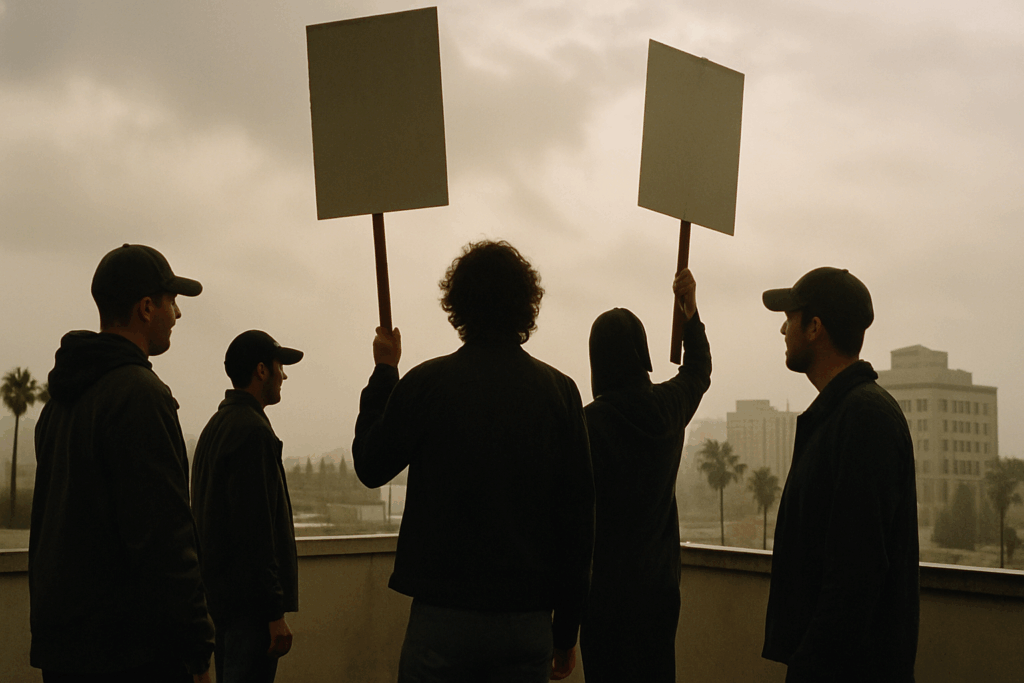
The Hollywood labor strikes of 2023 and 2024 weren’t spontaneous. They were a long time coming. At the core: fair pay, better residuals, and clear boundaries around artificial intelligence.
Residuals the payments creatives get when their work gets reused haven’t kept up with the times. In the days of broadcast and DVDs, residuals helped writers and actors build sustainable careers between projects. But with streaming platforms, payment models got murky. Hits rack up millions of views, but the people who made them often see pennies. That disparity wasn’t sustainable and people finally called time on it.
Then there’s AI. Writers pushed back on tools that scrape existing scripts to generate new ones. Actors demanded protection against studios scanning their likeness for permanent, unpaid reuse. It’s not about being anti tech; it’s about consent, credit, and creative control.
SAG AFTRA and the WGA weren’t just striking over contracts. They were trying to reset the terms of power in a world where studios now lean heavily on data and automation. Traditional leverage star power, awards, prestige is losing ground to algorithmic decision making. That shift tipped the balance too far. These strikes were an effort to push it back.
For all the disruption, one thing is clear: these demands aren’t just about fairness they’re about survival.
Impact on Productions
Hollywood grind to a stop again. The union strikes brought major studios to a crawl, pushing back blockbuster release dates and pausing big name productions mid shoot. It’s not just the tentpole films getting hit. Streaming series, some deep into a season, have gone radio silent. No final episodes, no cliffhangers resolved. Just sudden silence.
Indie creators aren’t immune. Even those outside the U.S. are feeling the fallout. International projects connected to American talent or financing are stalled. And smaller studios, without the deep reserves of the majors, are teetering.
Budget overruns are compounding by the day. Time is money, and each week of delay means inflated costs from actor rebooking to location lockouts to equipment stranded in limbo. Worse, insurance policies only cover so much. What used to be “act of God” complications are now looking more like systemic risks that producers can’t afford to ignore.
The uncertainty is baked in. Shoots halted midstream are hard to restart cleanly. Continuity takes a hit, crew schedules get scrambled, and costs snowball. For now, red lights stretch across the board.
Who’s Affected Beyond the Unions
The union strikes aren’t just shaking movie credits and red carpets they’re gutting the ecosystem that keeps productions moving. When cameras stop rolling, it’s the crew who feel it first: gaffers, set designers, editors, assistants. Contracts dry up, gigs cancel, and the hustle that fuels day to day survival gets harder. These folks don’t have multi movie deals they live job to job.
Then come the ripple effects. Catering trucks stay parked. Equipment rental houses collect dust. Location scouts wait by silent phones. Even coffee shops near soundstages start to feel the chill. The extended production halt has started hitting these ancillary businesses like a slow building wave and some won’t bounce back.
Audiences are feeling it too. Schedules are thinning out. Big releases pushed. Streaming libraries padded with reruns. Viewers are left wondering when the new season, the next sequel, or even fresh daily content will return. Burnout isn’t just hitting the writers and actors. It’s creeping into the culture of consumption people want quality, but also rhythm. With regular releases vanishing, attention shifts elsewhere.
And behind all this looms a bigger concern: creative burnout. Not just among the on screen talent, but throughout every layer of production. Years of rushing output to keep pace with the streaming surge have taken their toll. Now, with everything paused, many are asking if this isn’t just a strike it’s a reset.
Key Issues at Stake
Hollywood’s core tension right now boils down to this: the business model changed, but the contracts didn’t.
Residuals once a lifeline for writers and actors are nearly unrecognizable in the age of streaming. Traditional reruns came with predictable payouts. Streaming, by contrast, plays it close to the chest. Payments are smaller, less frequent, and often not tied to viewer numbers because platforms rarely share meaningful data. For creators, this lack of transparency equals a loss of income and control.
Then there’s AI. Studios are experimenting with generative tools to write scenes, tweak scripts, even recreate actor likenesses digitally. Writers and actors see existential red flags. Using someone’s face or voice in perpetuity without fair compensation? That’s not just unethical it’s a breach of creative ownership. At its worst, it’s exploitation disguised as innovation.
This is why the strikes aren’t just about dollars. It’s about whether a career in entertainment remains viable for those actually making the art. Writers and actors aren’t asking to freeze time they’re demanding that agreements evolve. Meanwhile, studios keep prioritizing profit margins, cutting overhead, and chasing fast content with fewer human hands involved.
The fight isn’t just over how things were, but how sustainable the future can be. Without safeguards, the creative class risks becoming background noise in its own industry.
How the Industry Could Change After This
The strikes didn’t just freeze production they cracked open deeper issues. One of the biggest shake ups coming out the other side: actor compensation is getting a hard reset. Gone are the days when back end deals and flat rate streaming contracts could quietly undercut talent. We’re entering an era where credits matter more, and residuals from streaming platforms are getting redefined with real time numbers, not vague performance tiers.
Studios are also staring down growing pressure to open the vault and share viewership data. For years, creatives and reps were negotiating blind. Now transparency is being tied directly to fair pay, and unions are digging in to make sure those metrics stop being hidden behind NDAs and dashboards only execs see.
Then there’s AI arguably the loudest alarm bell. Generative tech is evolving fast, but the industry isn’t rushing toward a free for all anymore. Ethical use standards are taking shape: clear consent, finite digital replicas, and protections against deepfake exploitation. It’s not just about contracts it’s about carving out the future of creative integrity.
Lastly, unions themselves are standing taller. What started as localized strikes has sparked solidarity movements across borders. International labor groups are syncing up. Negotiation tables are less one sided. What happens in Hollywood no longer stays in Hollywood and that leverage may be the industry’s most lasting shift.
What to Watch For Next
As of now, the industry sits in limbo. Some studios are inching toward tentative deals, others dig in. Neither side wants to blink first, because what’s agreed to now sets precedent for the decade ahead. Expect negotiation tables to stay busy and deadlines to stretch.
Public support has already become a pressure point. Hashtags, open letters, viral clips of picket lines social media’s taken on a role the traditional press once held. When fans amplify a movement, studios can’t just spin PR and move on. For better or worse, negotiations play out in real time, online.
Looking ahead to 2025, the dust from these strikes won’t just settle it’ll redefine. Residual structures could shift for good. AI contracts might get clearer or more chaotic. And global productions might see unions flexing harder muscle worldwide. One thing’s certain: this won’t be the last fight. But the rules of the next one will be written by how this ends.
(Stay updated with our entertainment highlights)
 Founder & Editor-in-Chief