Shifting From Behind the Scenes to Center Stage
Producers Rewriting the Rules
Today’s most influential music producers are stepping far beyond the traditional studio role. Once regarded as the unseen force polishing an artist’s performance, producers are now shaping the direction of sound itself redefining genres, aesthetics, and even the culture surrounding music.
Pioneering unique sonic signatures that become genre staples
Elevating production from supportive role to central artistic identity
Blurring the lines between DJ, producer, and cultural icon
The Rise of the “Producer as Artist”
A major shift in the industry is the emergence of the producer as a recognized, standalone artist. This evolution reflects not just a change in branding, but in how music is conceptualized, created, and marketed.
Producers releasing solo projects under their own names
Performers built entirely around the producer’s vision
Taking the lead on visuals, storytelling, and audience engagement
Case Studies in Creative Entrepreneurship
More and more producers are building ventures that go beyond music. They’re launching record labels, fashion lines, educational platforms, and social movements often with a fanbase just as loyal as any headline artist’s.
Notable examples include:
Metro Boomin: Expanded from producer to full fledged brand, executive producing top albums and launching his own label
Kaytranada: Known for genre bending production and solo albums, influencing alt R&B and electronic scenes
Peggy Gou: Bridged underground dance music and fashion, becoming a global tastemaker
These creators are proving that production is no longer a background role it’s a launchpad for innovation, leadership, and cultural influence.
Tech Savvy Disruptors
Today’s most cutting edge music producers are no longer just experts in rhythm, tone, and texture they’re early adopters of transformative technology. From AI powered workflows to immersive soundscapes, producers are redefining what it means to create music in the digital age.
Embracing Next Gen Tools
Music producers are often the first to experiment with emerging tools and formats. In 2024, expect even more pioneering work in:
Artificial Intelligence (AI): Producers are using AI to generate vocal lines, suggest chord changes, and even auto harmonize melodies.
Virtual Reality (VR) Studios: Platforms like Volta and Horizon Worlds let producers build immersive virtual sets and collaborate with artists across the globe.
Spatial Audio: With support from major platforms like Apple Music and Dolby Atmos, spatial audio has become a new frontier for creating depth and movement in a mix.
Machine Learning: A Shortcut to Creativity
Machine learning is helping beatmakers accelerate their creative processes. Instead of starting from scratch, they’re using algorithms to generate base ideas that can be customized and built upon.
Trained AI models can predict what sounds might come next in a melody
Generative tools help artists explore new genres or blend unexpected styles
Intelligent plugins assist with pitch correction, instrumentation, and groove alignment
Smarter Software, Faster Output
The production process is becoming more streamlined, thanks to smart software that adapts in real time. Producers now have access to tools that make high level production more accessible without sacrificing quality.
Automated Mastering: Platforms like LANDR and iZotope streamline final mixes with AI enhanced mastering.
Real Time Collaboration: Tools like Soundtrap and Audiomovers allow producers and artists to co create from different continents, reducing studio bottlenecks.
AI Mixing Assistants: These tools offer mix suggestions based on genre or previous projects, helping speed up decision making.
Producers who embrace this tech forward mindset aren’t just keeping pace they’re setting the tone for where the music industry is heading next.
New Collaborative Models
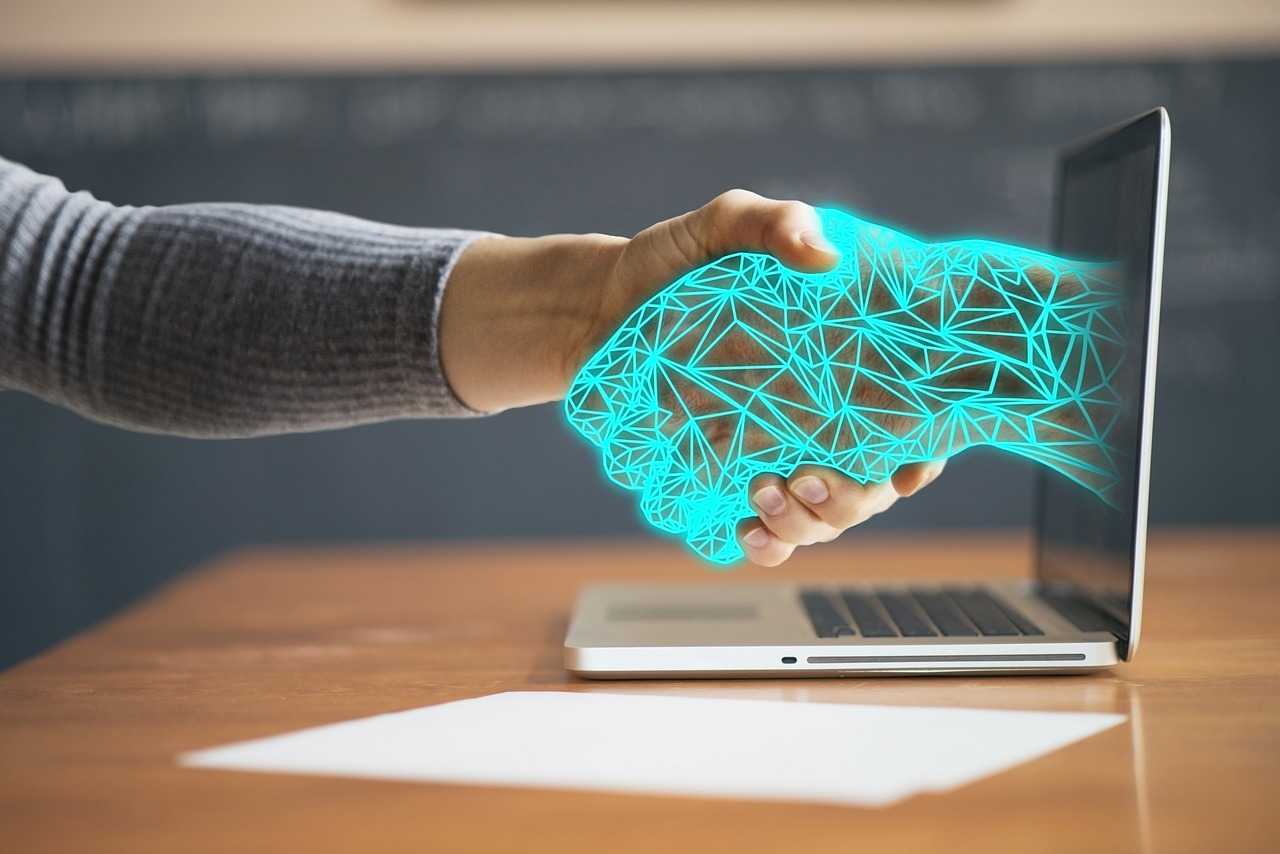
The days of needing a fancy studio, a label contact, and three weeks of scheduling to make a track are over. Producers are building tracks from hotel rooms, home setups, and even phones. Remote collaboration tools have hit their stride people are trading stems in real time, layering vocals across continents, and never stepping into the same room. That freedom is cracking open new sounds and workflows.
Digital beat marketplaces have made it simple for producers to sell directly to artists, no middlemen required. Sites like BeatStars and Airbit are pumping out chart ready instrumentals to indie rappers and pop acts worldwide. Producers are closing deals while they sleep and still keeping creative control.
There’s also a rise of direct to artist and direct to fan production setups. Think shared Discord servers, custom made beats for superfans, exclusive sound packs dropped to niche communities. These decentralized systems flip the traditional power structure: producers don’t need industry gatekeepers to make noise they just need a tight network and something that slaps.
This isn’t some temporary workaround. It’s a long term shift. Decentralized collaboration isn’t just cheaper and faster. It’s becoming the new normal, giving producers more control and more reach than ever before.
Redefining the Business Side
Music producers are no longer confined to the recording booth or the back end of major releases. In 2024, they’re increasingly stepping into high level roles, navigating the business with strategy and vision. From playing executive roles to launching their own brands, producers are asserting themselves as multi dimensional leaders in the industry.
Producers as Executives and Entrepreneurs
Today’s top producers are wearing multiple hats:
Label Founders: Many are launching their own imprints to gain greater control over creative direction and artist development.
Creative Curators: Producers are serving as A&Rs and sound architects, shaping entire movements with their aesthetic and sonic choices.
Entrepreneurs: Beyond music, producers are building brands, tech startups, and merch lines diversifying revenue while reinforcing their identity.
Taking Ownership: Rights, Royalties, and Publishing
One of the most significant shifts in recent years is the move toward ownership. More producers are actively reclaiming their share of the pie:
Publishing Control: Producers are negotiating smarter deals, keeping publishing rights or co owning them with artists.
Royalty Transparency: Tools and platforms now offer better tracking of streams and payments, empowering producers to hold labels accountable.
Direct Licensing: Instead of relying solely on third parties, some producers are managing sync and licensing themselves to retain more profit and creative say.
Learn more about the business side of music production here: music business insights
This redefinition of roles marks a deeper transformation in music production where creativity meets entrepreneurship at scale.
Cultural Influencers at Scale
Music producers are no longer confined to the studio they’re now cultural curators, sound architects, and viral trendsetters. Their influence extends beyond the charts and into fashion, film, gaming, and social media. In many cases, the sound of a movement starts with the producer.
Producers as Tastemakers
Producers are shaping the sonic identity of pop culture in real time. Their creative decisions often dictate what becomes a global hit versus what fades into obscurity.
Driving the sound of new subgenres and hybrid styles
Introducing experimental textures into mainstream music
Setting the tone for youth culture and online trends
Fueling Niche Genres and Authentic Storytelling
Today’s music landscape rewards authenticity and producers are at the core of that shift. Through carefully crafted beats and production choices, they elevate unheard voices and subcultures.
Amplifying underground scenes and local movements
Creating space for non traditional narratives in genres like hip hop, R&B, and electronic
Partnering with artists focused on storytelling, heritage, and identity
Sync Licensing, TikTok Trends, and Beyond
Producers are mastering the art of creating music that not only resonates but performs. This includes designing tracks that snap into TikTok edits, appeal to brands, and enhance screen media.
Producing “TikTok ready” tracks with dynamic hooks and short form potential
Composing for film, gaming, and ad sync placements
Expanding reach through non traditional distribution channels
The result? Producers are more than sound engineers they’re multimedia strategists influencing the cultural zeitgeist on every platform.
Looking Forward
The future of music production isn’t waiting it’s arriving at full speed. What’s ahead is a tighter fusion of tech, creativity, and business sense. Producers who know how to track trends without getting lost in them will thrive. It’s no longer about just making beats; it’s about building systems. AI, blockchain, and enhanced collaboration tools aren’t optional they’re now part of the baseline.
Those out front are working smarter, not just harder. They’re testing new formats, launching niche driven projects, crossing into fashion and media, and thinking like startups. Flexibility isn’t a luxury it’s survival.
Expect surprise collaborations, new monetization models, and an even blurrier line between artist, executive, and innovator. The ones who can learn fast, pivot faster, and still stay rooted in sound they’ll set the tone for where the industry goes next.
For a deeper dive into what’s powering this shift, check out: music business insights
 Founder & Editor-in-Chief