

You’re tired of scrolling through another “breakthrough” fitness gadget that does nothing but drain your wallet.
I am too.
Every week there’s a new app, a new band, a new watch that promises to change your life. It’s exhausting. And most of it is noise.
So I stopped reading press releases. I went straight to the source. Real people on fitness discussion boards, sharing what they bought, what broke, what actually worked.
That’s where Fntkech Technoly News From Fitnesstalk comes from. Not marketing. Not hype.
Just raw, unfiltered talk from users who’ve tried it.
You’ll see what’s trending for real reasons. Not because some influencer got paid.
No fluff. No jargon. Just what’s moving the needle.
And yes, I checked every claim against at least three separate threads.
You’ll know exactly what’s worth your time and money.
Beyond Step Counters: What Real People Are Wearing Now
I stopped checking my smartwatch for steps six months ago. (Turns out, obsessing over 10,000 isn’t how you actually feel better.)
In fitness subreddits, the conversation is shifting towards Smart Rings and CGMs (not) because they’re flashy, but because people are getting real data they can use.
This Fntkech coverage tracks exactly that shift. No hype, just what’s popping up in threads from r/Ouraring to r/CGMfitness.
Smart Rings like Oura and RingConn? They’re everywhere right now. Users care about one thing first: sleep staging accuracy.
Not “sleep score.” Actual deep vs REM breakdowns. One person wrote: “Is the subscription worth it for the data?” I get it. $6/month adds up. And if your ring misreads light sleep as deep sleep three nights in a row?
You’re making decisions on bad intel.
People wear them for two weeks, then change how they eat forever.
CGMs (yes,) the ones doctors prescribe for diabetes (are) showing up on non-diabetic arms. Levels. Nutrisense.
Why? Because seeing your glucose spike immediately after that banana-oat smoothie hits different than reading about glycemic load online.
They’re using it to time carbs around workouts. To figure out why they crash at 3 p.m. every day. To stop guessing.
But here’s the hard part: CGMs cost $300+ per month. No insurance. That price tag shuts out most people (even) the ones who’d benefit most.
I tried one. My energy did stabilize. But I also canceled after week two.
Not because it didn’t work. Because it’s unsustainable for regular humans.
So ask yourself: Do you need lab-grade metabolic feedback? Or are you just trying to sleep better tonight?
Because those two goals demand very different tools.
The Smart Home Gym Verdict: One Year In
I bought a Tonal. I used it every day for six weeks. Then life happened.
You know what most people don’t tell you? That the real test starts after the sweat dries and the unboxing video ends.
Convenience is real. I skip traffic, skip gym clothes, skip small talk with guys who grunt too loud. (Yes, that’s a thing.)
The classes help (but) only if you show up. And I mean you, not the version of you who signed up in January.
Digital weights work. They’re quiet. They’re precise.
They don’t take up floor space like dumbbells do.
But here’s the rub: that monthly subscription adds up. $49. It feels fine until you realize you’ve paid more than your old gym membership and own the hardware.
And yes (you) do feel locked in. Try swapping your Tonal workouts for Peloton strength. It doesn’t sync.
Try loading your own programs into Mirror. Nope.
The novelty factor? Gone by month four. Not gone-gone.
But faded. Like a phone screen left in the sun.
People who stuck with it all had one thing in common: they joined the app’s live challenges or posted in the community feed. Not because they love posting (but) because accountability isn’t magic. It’s just showing up where others are.
I read dozens of forum posts. Reddit. Facebook groups.
Even dug into Fntkech Technoly News From Fitnesstalk to see if anyone was tracking churn rates. (Spoiler: they weren’t.)
Biggest regret owners mention? Not the price. Not the space.
It’s skipping the return window because it felt too good at first.
My advice? Try it for 30 days. Use the app.
Join one live class. Then ask yourself: would I pay for this without the hardware?
If the answer’s no (walk) away.
AI Trainers: Your Phone vs. a Real Person
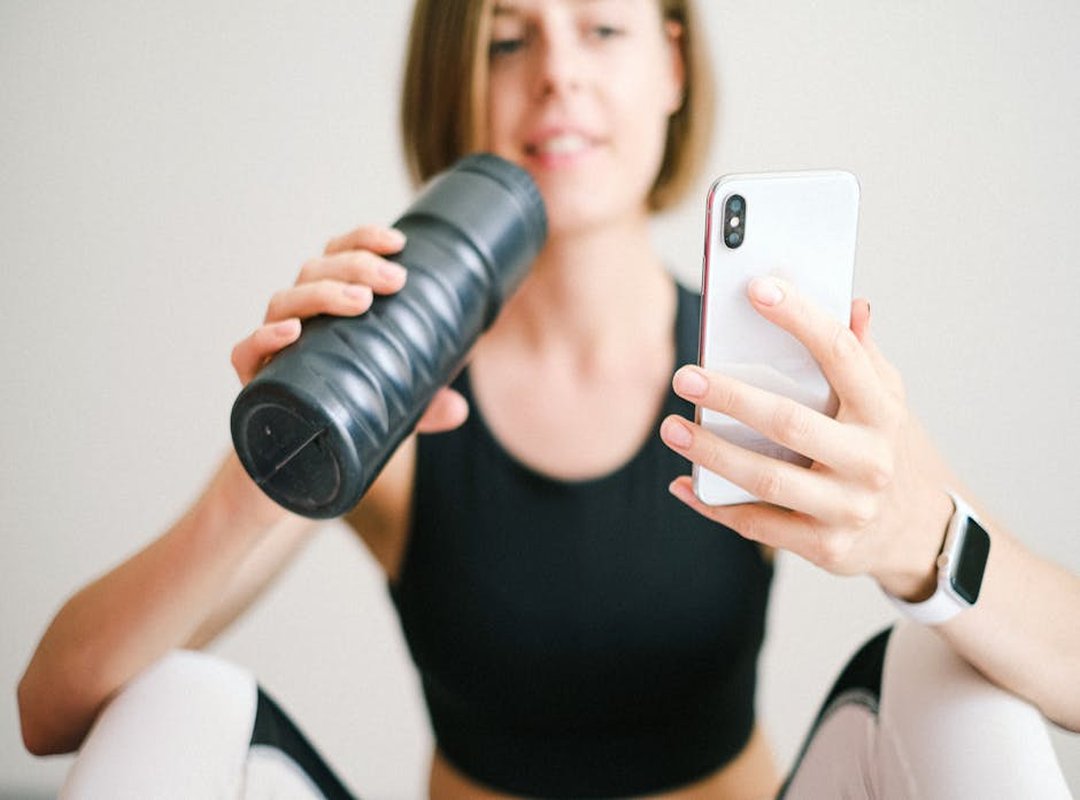
I tried Freeletics’ form correction last month. It told me my squat was “optimal.” My left knee screamed otherwise.
That’s the problem with AI personal trainers. They see pixels. Not pain.
You get real-time feedback. You get workouts that change based on yesterday’s reps. You get it all for $15 a month.
Not $80.
But here’s what no app tells you: your phone can’t feel your tendon tighten. Can’t smell your sweat go sour when you’re pushing too hard. Can’t pause and ask why you skipped leg day again.
I’ve watched Fitbod suggest deadlifts the same day someone posted about lower back spasms in a forum. (Spoiler: they didn’t listen.)
Centr’s voice feels like a TED Talk on loop. Motivating? Sure.
But motivation isn’t just volume. It’s timing, tone, and knowing when to shut up.
The consensus online? AI is great for structure. Terrible for intuition.
And if you want to track how this tech actually moves. Not just what it promises (check) out the Fntkech Technoly News From Fitnesstalk coverage over at this post.
They test the claims. Not the marketing.
A human coach spots fatigue before your form breaks. An AI spots bent elbows in a 4K frame.
One adapts to you. The other adapts to its model.
So use the app. Do the warm-up it gives you.
Then hire a coach for the hard parts.
You’ll thank me later.
Recovery Tech: Where Athletes Actually Spend Their Money
I stopped buying new workout gear two years ago.
I started buying recovery tech instead.
Compression systems like Normatec get a lot of hype. But here’s what I hear from athletes every day: Is $2,500 worth it?
You can foam roll for free. You can stretch.
You can sleep. Yet people still line up for those pulsing sleeves. Why?
Because some swear they cut soreness in half after hard sessions. Others say it’s placebo (and) they’re not wrong. I tried it.
Felt better the next day. But so did my 20-minute walk and cold shower.
Smart mattresses and covers like Eight Sleep are different. They control temperature. That part is real.
Deep sleep drops core body temp. If your bed fights that, you lose recovery. Athletes track their sleep scores religiously.
Then they check how they felt during morning lifts or afternoon sprints. The correlation isn’t perfect. But it’s strong enough to make people pay.
Recovery tech doesn’t fix bad habits.
It amplifies good ones.
Fntkech Technoly News From Fitnesstalk covered this exact tension last month. Not all recovery tools deliver equal value. Some just look cool on Instagram.
Others slowly change how fast you bounce back.
How to Hide is something I learned while avoiding influencer spam about “recovery hacks” that don’t work. Skip the noise. Keep the data.
Stick with what moves the needle (not) the likes.
Fitness Tech Isn’t Magic. It’s Just Tools.
I’ve tried the shiny gadgets. I’ve bought the ones with the best ads.
None of them worked. Until I stopped listening to the marketing and started reading what real people said.
You’re tired of wasting money on gear you stop using by week three.
You want something that fits your routine (not) some influencer’s highlight reel.
The ‘best’ tech is the one you actually touch every day. Not the one with the most features. Not the one your gym buddy raves about.
It’s the one that solves your problem. And fits your budget.
Fntkech Technoly News From Fitnesstalk gives you exactly that (real) talk, no hype.
So before you click buy (spend) 20 minutes on Reddit or a fitness forum.
Search for your exact model. Read the complaints. Skip the five-star reviews from people who’ve owned it for two days.
That’s where the truth lives.
Do that now. Your wallet (and) your motivation (will) thank you.
 Senior Culture & Trends Editor