You open your phone and see another fitness gadget launch.
Another app promising to change everything.
Another email with “game-changing” tech you’ve never heard of.
I’m tired of it too.
Most of this stuff doesn’t last past week two. Or it costs more than your gym membership. Or it just doesn’t work the way they say.
That’s why we built Fntkech Tech Updates by Fitness-Talk.
We test every device. We log every app update. We track what actually moves the needle on real health goals.
Not hype. Not specs. Not influencer reviews.
We run the gear through real workouts. Real schedules. Real recovery days.
If it fails in week one, it doesn’t make the list.
This isn’t a roundup of everything new. It’s a filter.
You’ll get only what matters. Clear, concise, and proven.
Wearables Got Real: SpO2, ECG, and Why Your Ring Isn’t Just
I stopped counting steps two years ago. (Turns out my dog walks more than I do.)
Modern wearables aren’t pedometers anymore. They’re health monitors strapped to your wrist or finger. And they’re getting scary good.
SpO2 measures blood oxygen saturation. Low numbers overnight? That’s not normal.
It means you’re choking on your own pillow (or) worse, dealing with sleep apnea. Recovery tanks. Muscle growth stalls.
You wake up tired even after eight hours.
ECG reads heart rhythm. Not just rate. Rhythm.
A single 30-second tap can catch atrial fibrillation before your doctor does. I caught mine that way. (No, I didn’t panic.
Yes, I made the appointment the same day.)
Body composition analysis? It’s not magic. It uses bioimpedance.
Sending tiny currents through your tissue. Accuracy isn’t clinic-grade, but trends matter. If your muscle mass dips while weight stays flat?
That’s a red flag.
Here’s what keeps me honest: overnight SpO2 data. I check it every morning. If it drops below 92% for more than 10 minutes, I adjust sleep position, skip wine, or book a sleep study.
Simple. Direct. Life-changing.
Dedicated trackers like Whoop or Oura lean hard into recovery. They ignore notifications. Skip the apps.
Prioritize HRV, temperature, and respiratory rate. All feeding one metric: readiness.
Smartwatches try to do everything. And they’re getting better. But they’re still distracted.
Notifications. Calls. Instagram.
That’s why I use both. A ring for raw physiology. A watch for convenience.
this guide tracks these shifts weekly. Their Fntkech Tech Updates by Fitness-Talk cut through the noise. No fluff, just sensor specs, real-world bugs, and which firmware update actually fixes ECG drift.
You don’t need all the data. You need the right data. And you need to act on it.
The Smart Home Gym: AI That Watches You Sweat
I bought a $2,500 connected mirror. Then I used it twice.
Peloton, Tonal, Mirror (they’re) not just screens with speakers. They’re AI coaches that watch your rep count, your tempo, your shoulder angle. And yes, they notice when you cheat on the last squat.
That’s the real shift. Not “fitness tech.” Not “streaming workouts.” It’s real-time adaptation. Your form gets corrected as you move.
No waiting for post-session review. No guessing if your elbow is too high.
Others need dedicated hardware. Either way, the AI compares your joint angles to ideal ranges. If your knee caves in during lunges?
How? Cameras + motion tracking + trained models. Some apps use your phone camera.
It says so. Loudly.
You think that’s gimmicky? Try doing 12 weeks of rehab without feedback. Then try it with live correction.
There’s a reason physical therapists are using this now.
Motivation? Yeah, it’s thin. Gamification helps.
Streaks, badges, leaderboards. But here’s what actually sticks: seeing your own progress graph spike after two weeks of clean reps.
Community features matter less than people claim. I muted my Peloton feed after week three. What kept me going was the AI saying *“You lifted 8% heavier today.
Good.”*
It’s not magic. It’s math and muscle memory layered together.
Fntkech Tech Updates by Fitness-Talk tracks these shifts (not) the hype, but which features actually reduce injury rates or boost consistency.
Pro tip: Don’t buy based on screen size. Buy based on whether the AI can see your body (not) just a generic model.
Some systems fail at wider stances or deeper ranges. Test before you commit.
I returned mine. Not because it didn’t work. Because it worked too well.
And made every other workout feel broken.
That’s the bar now. Not convenience. Accuracy.
Fuel and Sleep Aren’t Afterthoughts (They’re) the Real Workout
I used to think sore muscles meant I’d done enough.
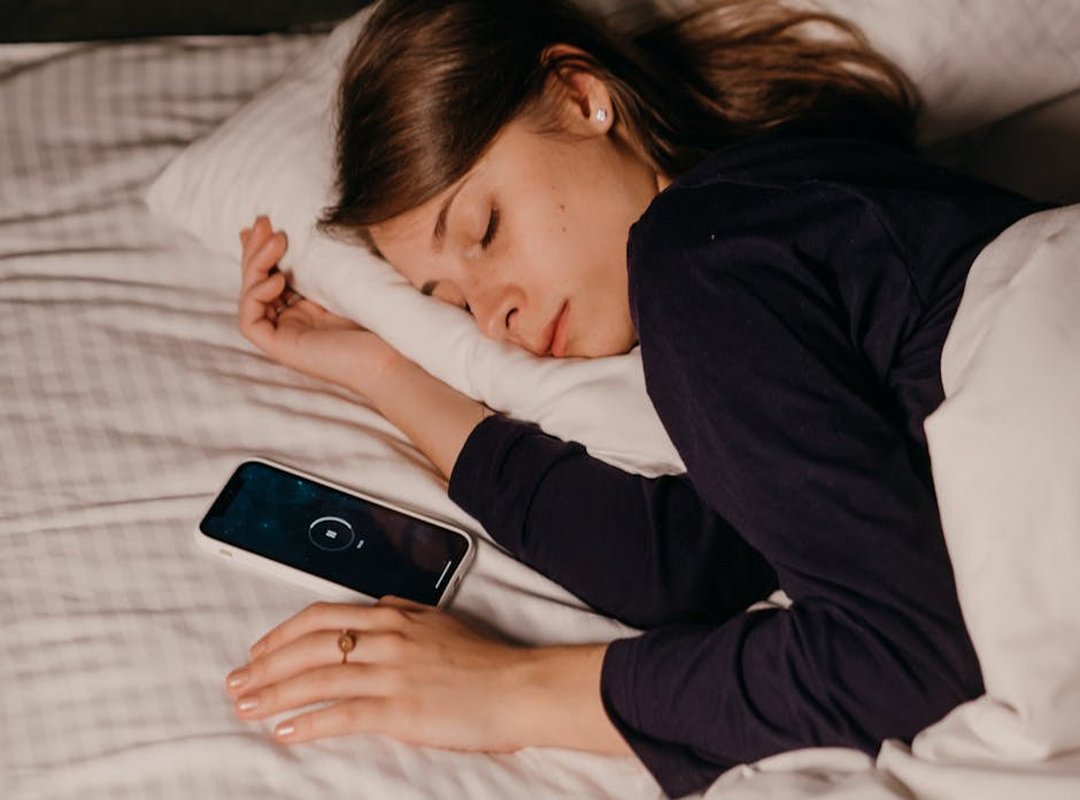
Then I tracked my sleep for two weeks. My deep sleep dropped 42% on nights I ate pasta after 8 p.m. (Turns out, digestion fights your brain for recovery bandwidth.)
Nutrition apps don’t just count calories anymore. They scan barcodes, guess your portion size from a photo, and flag low iron or vitamin D before you feel tired all the time.
That’s not magic. It’s pattern recognition trained on real bloodwork data (not) bro science.
Sleep tech got serious too. My Oura ring tells me when I’m stuck in light sleep. And why.
Too much screen time? Late caffeine? Or that Under Desk Elliptical Fntkech I used at 9:30 p.m.?
(Yes, even low-intensity movement screws with melatonin if it’s too close to bed.)
You don’t need perfect data. You need one actionable insight.
Here’s mine: If your REM drops below 90 minutes, skip carbs after 7 p.m. for three days. Then check again.
Most people ignore this until they hit a wall. I hit mine at age 34 (training) harder but getting slower.
Fntkech Tech Updates by Fitness-Talk nailed it early: recovery isn’t passive. It’s scheduled. Measured.
Adjusted.
Your body doesn’t care how many reps you did.
It cares how well you slept.
And whether your last meal gave it fuel (or) friction.
On the Horizon: Smart Clothes, Glucose Patches, and VR Sweat
I’m not buying into the next fitness fad.
But I am watching three things closely.
Smart clothing that reads muscle activation? It’s real. Not sci-fi.
My gym buddy wore a prototype shirt last month. It buzzed when his back rounded on deadlifts. No coach needed.
Just feedback. Immediate and dumb-simple.
Non-invasive glucose monitors for athletes? Yes, they’re coming. Not just for diabetics anymore.
Athletes need real-time fuel data during a ride or race. Blood draws? Finger pricks?
Gone. A patch on your arm does it all.
VR/AR fitness is past the gimmick phase. I tried a boxing session last week where my form adjusted mid-punch based on live joint tracking. It felt less like gaming and more like training with a silent, tireless spotter.
None of this is magic.
It’s sensors, better algorithms, and hardware that finally fits real life. Not lab specs.
You’re probably wondering: Will any of this actually work outside a press release?
I ask myself that every time I see another “game-changing” wearable launch.
The answer so far? Some will stick. Most won’t.
That’s why we’re tracking them (not) to hype, but to test.
This is the next wave of Fntkech Technology News. And if you want early takes (before) the influencers catch on (check) out the Fntkech technoly news from fitnesstalk. it Tech Updates by Fitness-Talk won’t wait for the mainstream. We show up first.
Then we report what’s actually useful.
Fitness Tech That Actually Fits You
I’ve seen too many people buy gadgets and quit in two weeks.
You’re drowning in options. Heart rate monitors. Recovery trackers.
AI coaches. It’s exhausting.
The right tool isn’t the flashiest one. It’s the one that fixes your problem (right) now.
Motivation stuck? Data unclear? Recovery slow?
Pick one.
Fntkech Tech Updates by Fitness-Talk cuts through the noise. We test what works. Not what’s trending.
You don’t need ten apps. You need one that answers your question.
What’s your biggest roadblock this week?
Is it starting? Staying consistent? Knowing if you’re improving?
Pick that one thing. Then pick one device or app from this article.
Try it for seven days. No pressure. No setup marathons.
Just one thing. Done.
Your move.
 Senior Culture & Trends Editor