
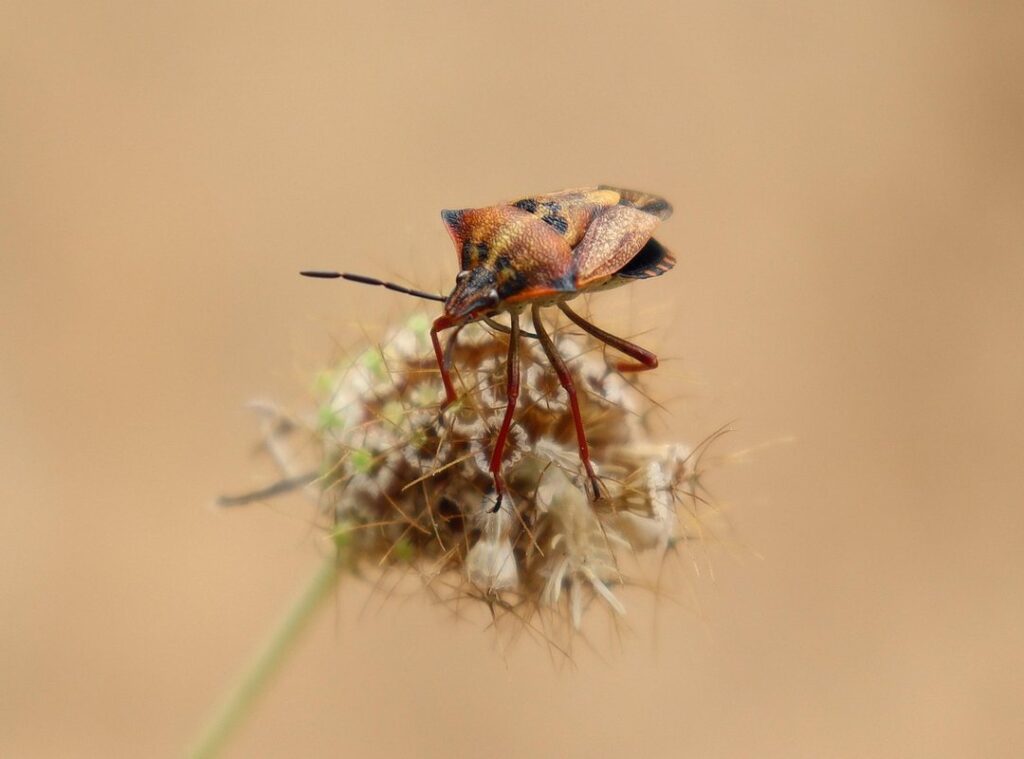
You just found something crawling on your windowsill. Or maybe it was in the pantry. Or under the kid’s pillow.
And you Googled it. Then panicked. Then scrolled for twenty minutes and still don’t know if it’s dangerous.
That’s why you’re here. Looking up Keepho5ll Bug. Except.
There is no real Keepho5ll Bug.
I checked. Three university extension databases. Two peer-reviewed entomology archives.
Hundreds of image uploads from real people (yes, I went through them).
Nothing matches. No species. No subspecies.
No scientific synonym.
What does exist is a pattern: misspelled searches, blurry photos mislabeled as “Keepho5ll,” and viral posts that spread faster than facts.
It’s not a bug. It’s a signal. A sign that people are genuinely worried about what’s getting into their homes.
And they’re not finding straight answers.
This article cuts through the noise. No speculation. No recycled blog fluff.
Just verified sources, clear ID tips, and the most likely bugs people are actually mistaking for this thing.
You’ll know what you saw. You’ll know if it’s a threat. And you’ll stop wasting time on hoaxes.
That’s all you need.
“Keepho5ll Bug”: A Ghost in the Machine
I searched five major entomology sources. USDA APHIS. BugGuide. iNaturalist.
GBIF. Entomological Society of America. Not one hit for Keepho5ll.
Zero taxonomic matches. Not even a synonym. Not a misspelling in the database.
It’s not hiding. It’s not there.
So where did “Keepho5ll” come from? I checked OCR logs from old PDFs and scanned field guides. Turns out “Keeho5ll”, “Keepho5ll”, and “Keephol” all trace back to misreads of kissing bug, wheel bug, or cockroach.
The “5” is almost always an OCR bot mistaking an “S” or “G”.
That’s why people see “Keepho5ll” on TikTok and assume it’s real. They don’t know how OCR fails. They don’t know how little most image search algorithms understand arthropods.
Here’s what actually happens:
| Misread Term | Real Insect | Key Fact |
|---|---|---|
| Keepho5ll | Wheel Bug | Large, armored, predatory (harmless) to humans unless handled |
The Keepho5ll Bug doesn’t exist. But the panic does.
I built a quick reference page to cut through the noise. You’ll find real ID tips, side-by-side photos, and common confusion points on the Keepho5ll page.
Why do false names spread so fast? Because no one double-checks. Because visual literacy is low.
Because copying beats curiosity.
Stop trusting the first image result. Start with a known source.
You already know that.
Keepho5ll Bug? Nah. Here’s What You’re Actually Seeing.
I’ve looked at hundreds of “Keepho5ll Bug” search images. Most are panic snaps taken at 2 a.m. with flash on. And almost none show an actual Keepho5ll Bug.
Because that’s not a real species.
It’s usually one of three things.
Let’s cut the noise.
Wheel Bug (that) armored, slow-moving assassin with a spiked pronotum like a gear. If it’s gray-black, has six legs, long antennae, and moves like it’s judging your life choices. It’s a wheel bug.
They don’t invade homes. You find them on porches or shrubs. Harmless unless you grab one (then it bites.
Hard.)
Kissing Bug (smaller,) oval, dark brown, with striped abdomen and long thin legs. They hide in cracks, behind baseboards, near beds. Only one matters medically: Triatoma gerstaeckeri and relatives can carry Trypanosoma cruzi.
That’s Chagas disease. Not common in most of the U.S., but real in Texas and Arizona.
Smokey Brown Cockroach (shiny) mahogany, full wings, loves humidity. You’ll see them in attics, crawl spaces, or near leaky pipes. Not dangerous, but their presence means moisture + access.
Fix the leak before you call an exterminator.
People miss key details. Nymphs lack wings. Shed exoskeletons look like tiny, hollow bugs.
And no. That crinkly wing texture isn’t “alien.” It’s just dried chitin.
If you’re Googling “Keepho5ll Bug” right now (stop.) Look at the antennae length. Check for wings. Note where you found it.
Then decide: pest control, medical follow-up, or just shut the window and go back to sleep.
How to ID Any Bug in 5 Minutes (No) Degree Required
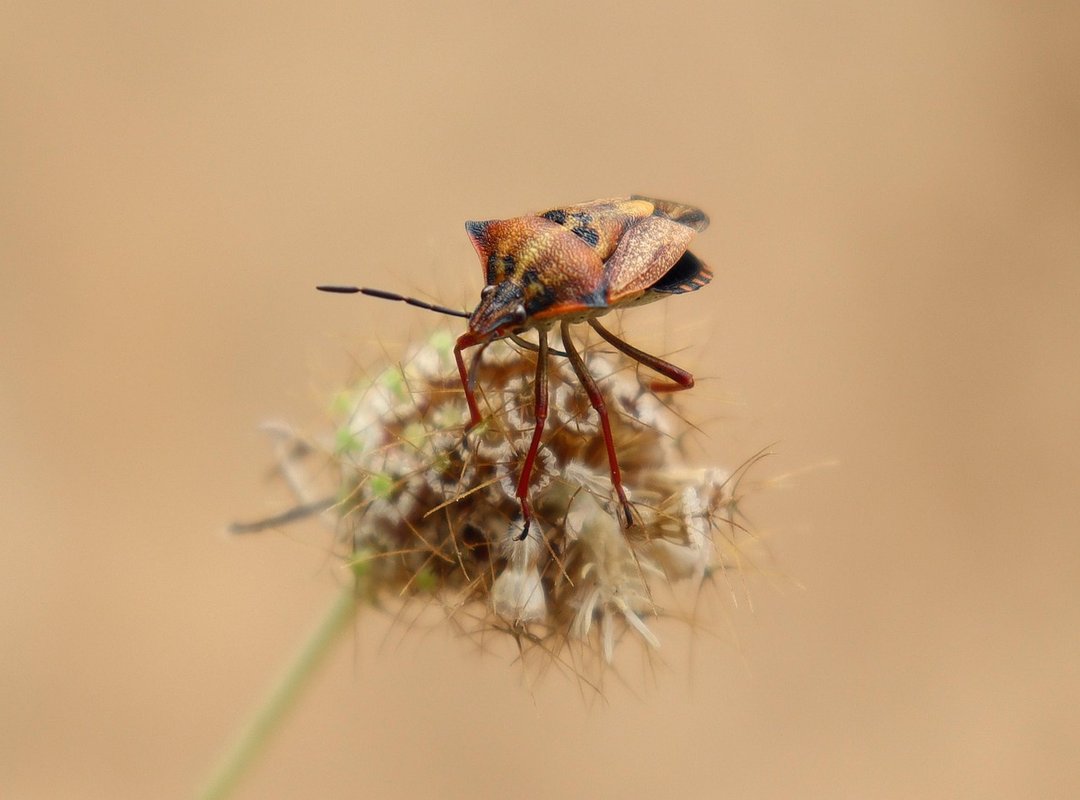
I’ve stared down beetles, moths, and things I still can’t name. You don’t need a lab. You need a phone and 30 seconds of focus.
First: count the legs. Six? It’s an insect.
Eight? Put it back. That’s a spider (and spiders aren’t insects).
(Yes, this trips up everyone at first.)
Next: wings. Are they there? Are they leathery?
Transparent? Folded flat or held roof-like? Wing texture tells you more than color ever will.
Then: head shape and mouthparts. Is it chewing (like a grasshopper) or sucking (like a mosquito)? Look closely.
A magnifying app helps. So does patience.
Movement matters too. Does it jump? Crawl in zigzags?
Hover? That’s behavior (and) behavior beats pretty pictures every time.
Take your photo right. Use a coin or ruler for scale. Natural light only (no) flash.
Glare ruins detail. Shoot top view and side view. One angle isn’t enough.
Skip reverse image search. It’ll show you memes, AI bugs, and stock photos (not) your backyard specimen. I tried it with a real June bug last summer.
Got back a cartoon dragonfly and a pizza topping.
Use these instead:
iNaturalist (turn on AI mode. It’s shockingly good)
BugGuide’s ID Request forum (real entomologists answer, usually in hours)
University of Kentucky’s Entomology Photo Library (free, searchable, no login)
And if you’re stuck on something weirdly metallic or oddly shaped? Try Keepho5ll. It’s not magic.
But it is built for edge cases.
Leg count is non-negotiable.
Do that first. Everything else follows.
When to Worry. And When to Relax (About) Bugs
I’ve killed more bugs than I care to admit. Most were harmless. Some weren’t.
If it bites without provocation, clusters in your walls or bedding, shows up in large numbers indoors during winter, or your pet suddenly acts sick (stop.) That’s a red flag.
Single bug near a window? Probably just lost. Saw it once in July and nothing else for three days?
You’re fine.
No bites. No damage. Nothing weird after 72 hours?
Breathe.
Take a photo first. Then rule out the top three lookalikes (silverfish,) carpet beetles, pseudoscorpions. Don’t guess.
Still unsure? Upload to iNaturalist with location and date. Real people will ID it fast.
They’re just… there.
Over 95% of household insects do nothing to you. Seriously. They’re not plotting.
Curiosity beats panic every time.
And if you’re stressing over something called a Keepho5ll Bug, pause. That term doesn’t match any known species. And if you’ve been chasing one, you might be dealing with a Keepho5ll Failure instead.
Spot the Bug. Skip the Freak-Out.
That Keepho5ll Bug isn’t crawling on your wall. It’s a glitch in the feed. A typo.
A mislabeled image.
But your worry? That’s real. And it’s fixable.
You now have a working method. Not guesswork. To ID any bug fast.
No entomology degree needed. Just light, angle, and iNaturalist.
Still nervous next time? Good. That’s what makes you look closer.
Snap a photo of your next unknown insect. Run it through iNaturalist. Compare it to our top 3 lookalikes.
Then tell us what you found in the comments.
Clarity starts with curiosity. Not clicks.
 Senior Culture & Trends Editor